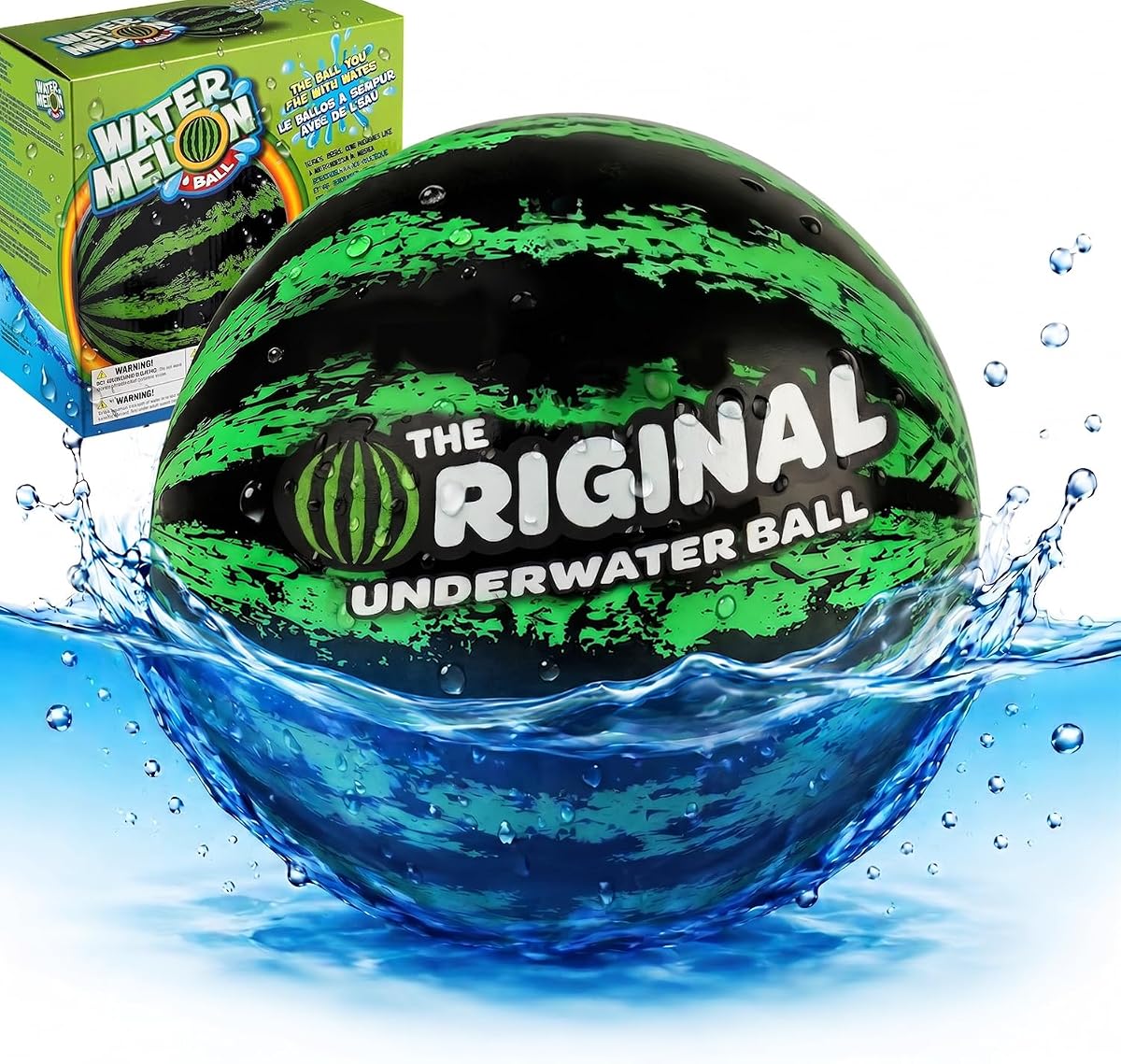
Watermelon Ball 9″ Green
$24.99
Fillable watermelon balls, water skip balls and pool footballs — made by us, shipped from stock.
The whole process takes under a minute once you have done it once. The part worth getting right is the air, because that is what decides how the ball plays.
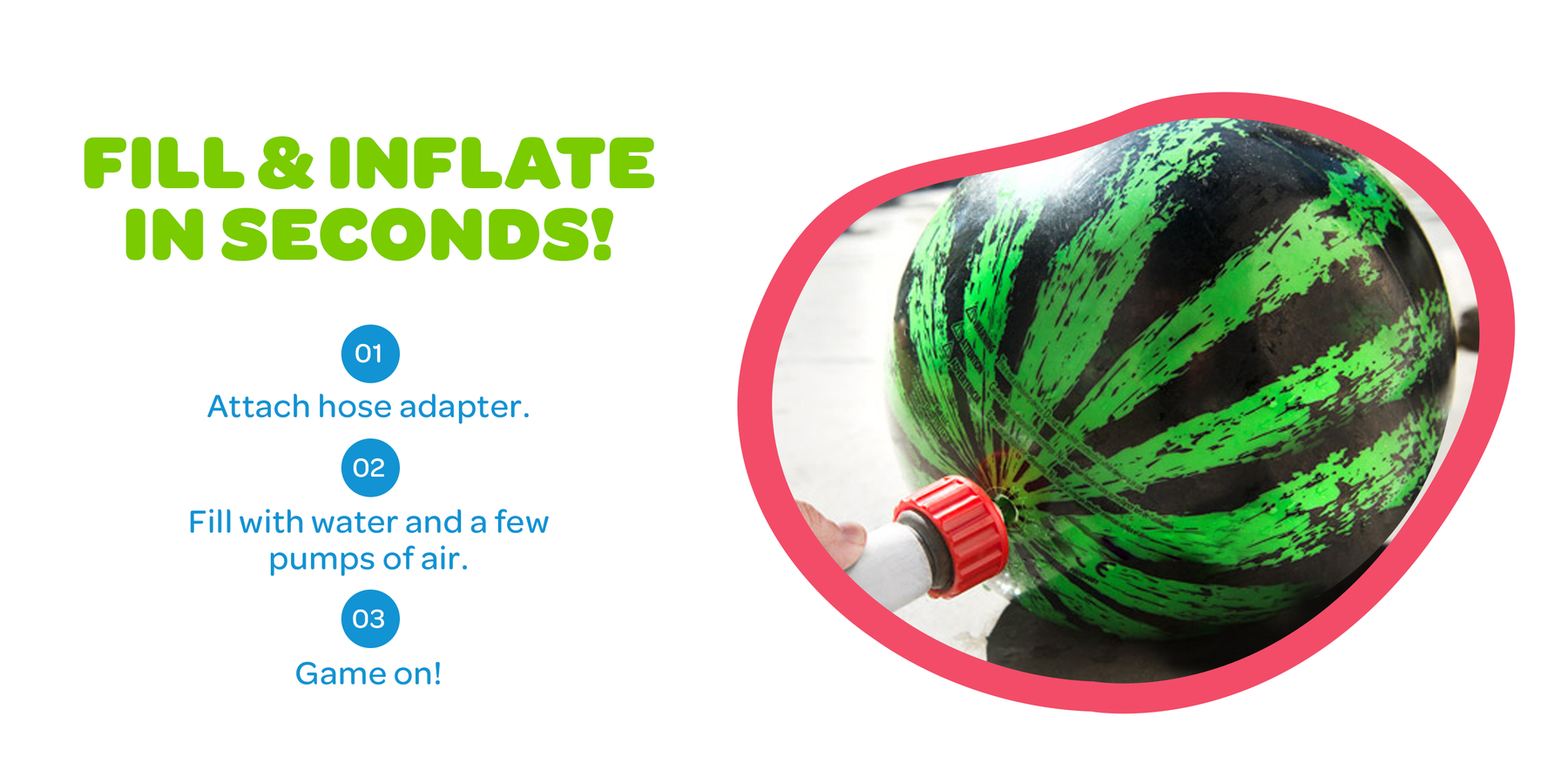
Push the hose adapter into the valve until it seats, then run the tap at a normal rate. Pressure does not help — the shell fills at the speed it fills. Stop when the ball is firm but not drum-tight; a little give makes it easier to grip.
Any water works. A garden hose, a tap with a bucket, even pool water scooped in through a funnel at a rental house. We have had customers fill one from a lake, which is fine as long as you rinse it afterwards.
Two or three pumps, or two or three breaths. That is the entire inflating step. The air compresses at depth, which is why a ball that hovers at the surface will sink a little deeper once it is three feet down — that is normal and it is what makes the slow rise happen.
If you want the ball to sit on the pool floor for diving practice, skip the air. If you want it to float for a game of catch, leave it a third empty of water. Most people end up between the two.
Pull the adapter, hold the ball valve-down and squeeze. It empties faster than it fills. Give it a rinse if it has been in salt water, then leave it open to dry before it goes in a bag.
Stored empty and dry, the shell keeps for years. The two things that shorten its life are being packed away wet and being left inflated in direct sun on a hot deck, which stresses the seam.
$24.99
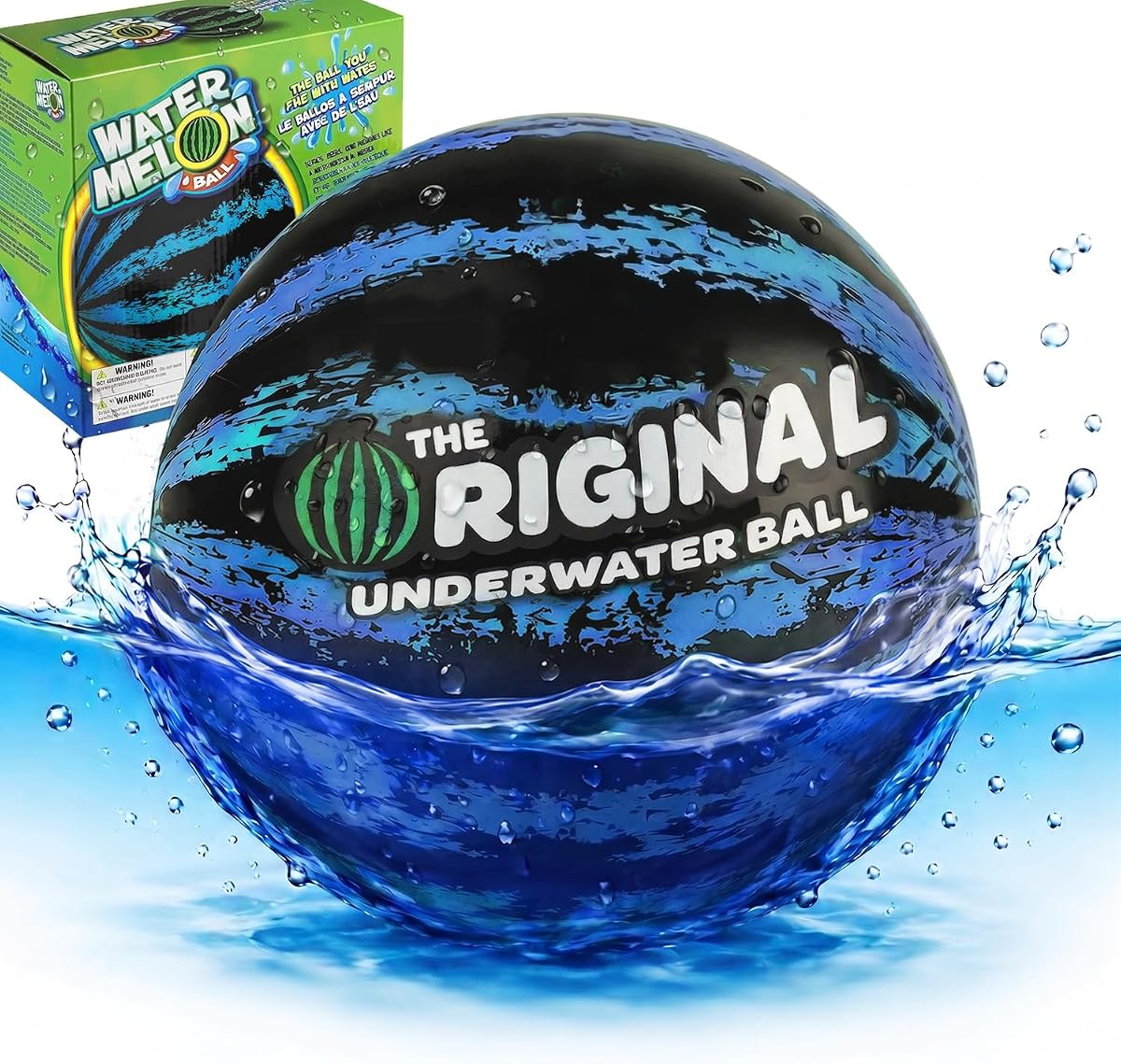
$24.99
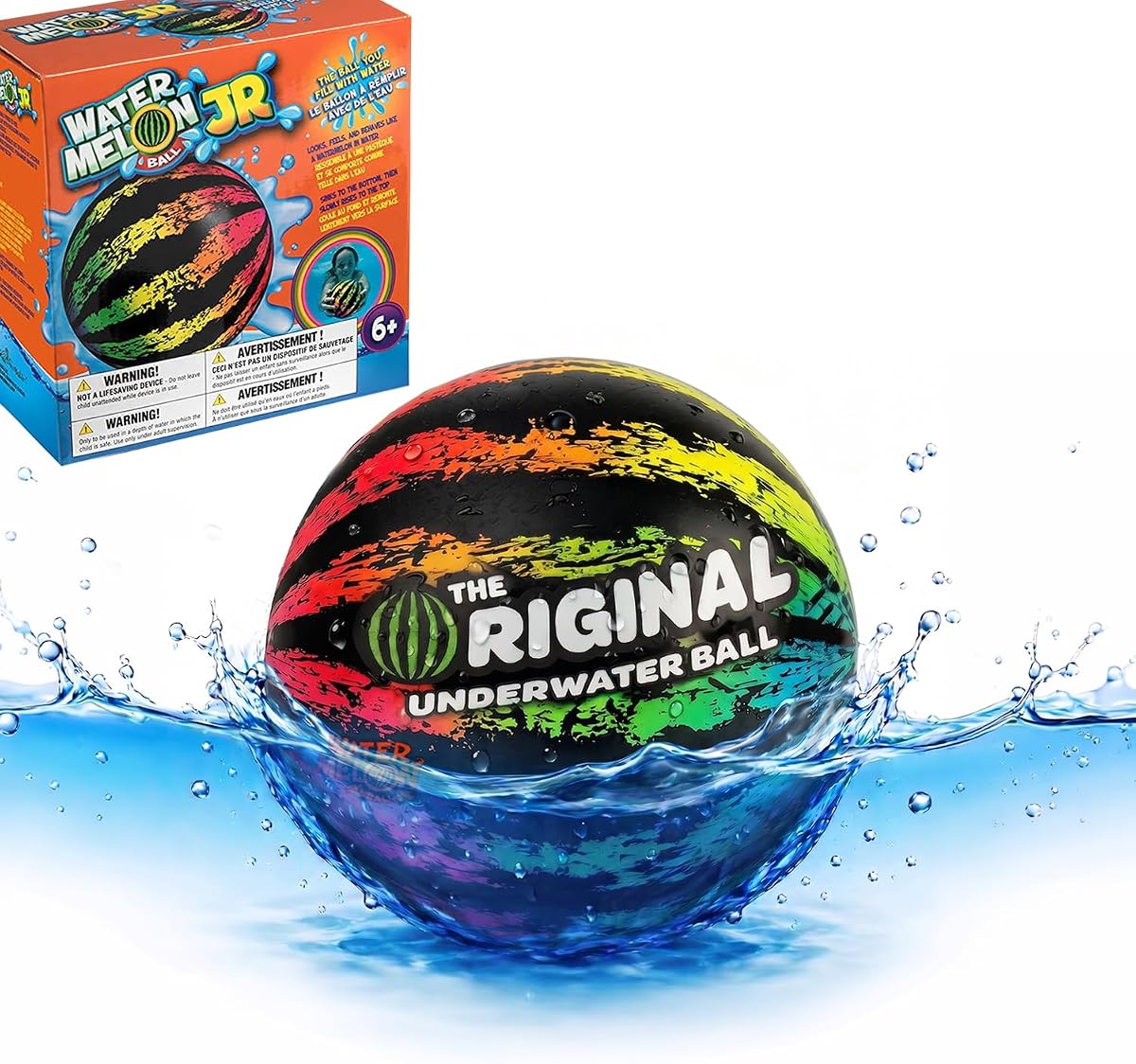
$21.99
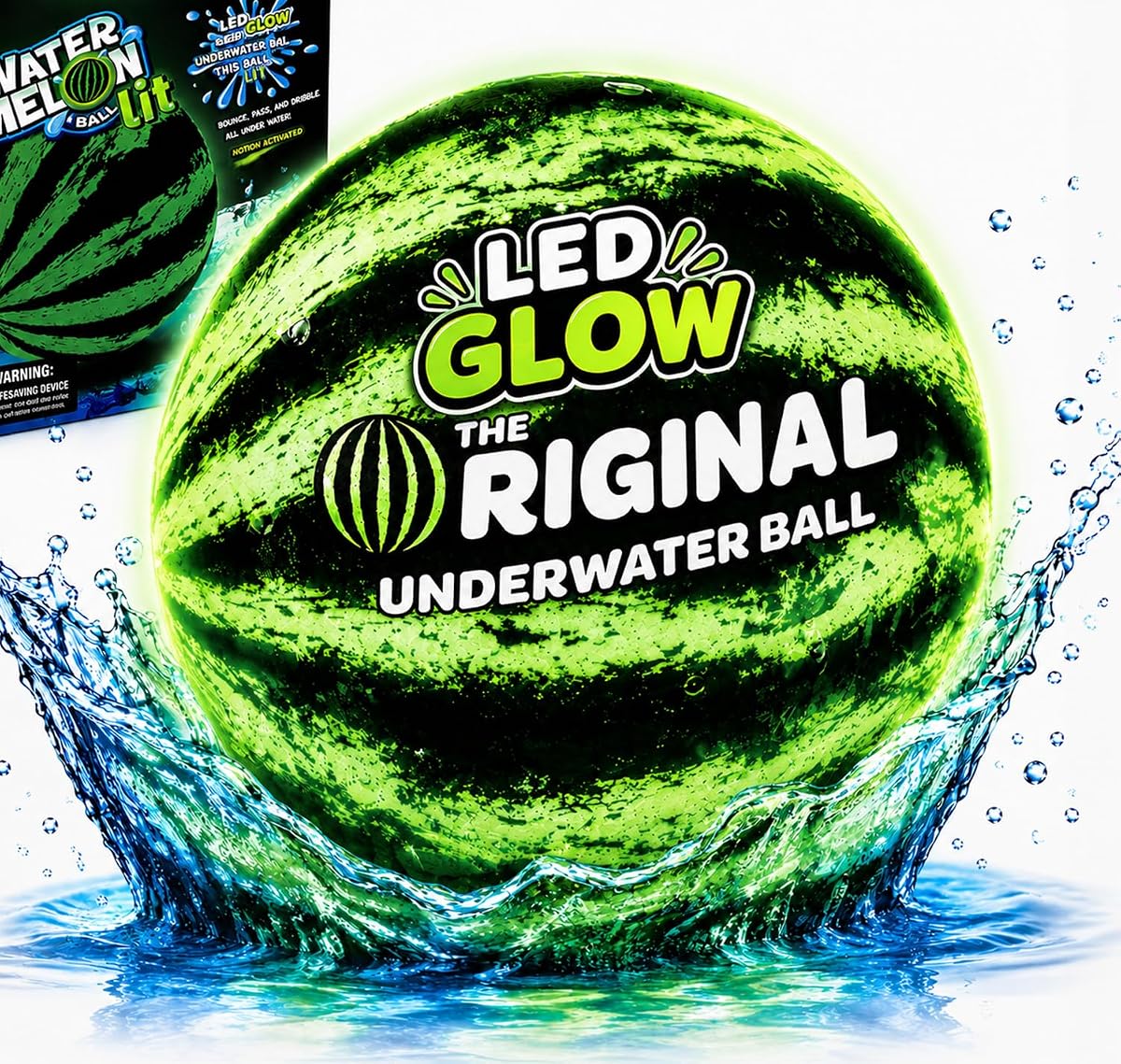
$28.99
No pump. A standard garden hose and the adapter in the box do the whole job, and the air goes in through the same valve.
Yes. Rinse with fresh water afterwards and dry it before storage.
The shell is thick PVC and is meant to be thrown. Check the cap is fully seated before play — a half-closed cap is the usual cause of a slow leak.